
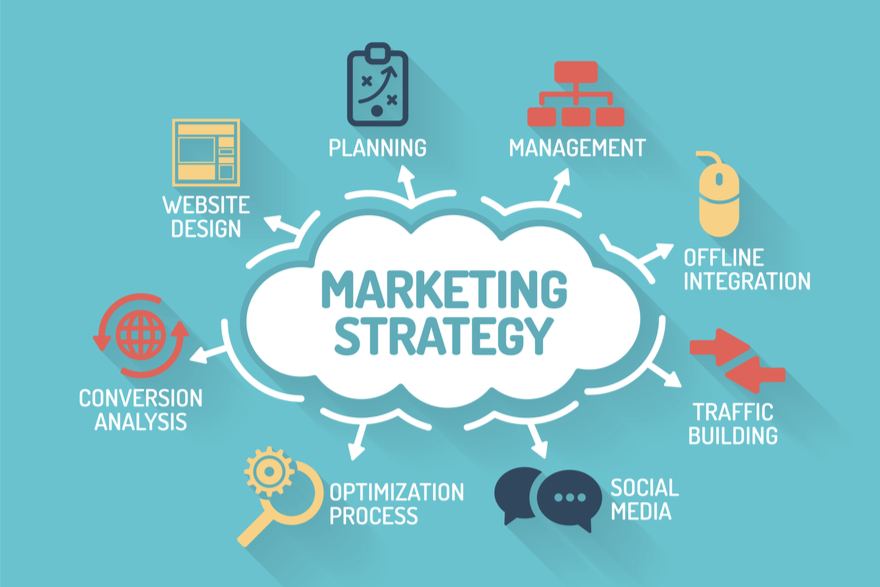
In today’s competitive environment, there is hardly a small business owner who is not focused on developing a strong marketing strategy. A clear marketing strategy can be the difference between success and failure. However, before you can build an effective plan, you must first understand what a marketing strategy really is.
A marketing strategy is a set of processes and techniques designed to guide your resources toward actions that increase sales and brand visibility. In many cases, this also connects directly to your digital marketing strategy, which focuses on how you reach and engage audiences online.

Before planning any campaign, you must understand the core elements that shape your approach. Strong content marketing strategies also play a key role in delivering consistent value and building trust with your audience over time.
Define your Business
First, you need to clearly define what your customers are actually buying. What problems are you solving for them? If you sell tools, what outcomes do those tools support? If you offer services, what specific challenges do you remove for your clients?
Audience
Next, identify your target audience. Describe your ideal customer in detail. Consider age, income level, industry, location, and pain points. The more specific you are, the more effective your marketing strategy becomes.
These are all factors in determining your marketing strategy and making sure that your efforts are directed effectively. Who does it make sense for you to dedicate resources to communicate with? For example, an event planner might determine that their target audience is females between the ages of 20-40 with an income of $50,000 or more and school age children.
Brand Trust
Then, focus on building brand trust. Customers need repeated exposure before they fully recognize and trust your brand. This is where consistent messaging across digital and print channels becomes essential.
What makes you unique
After that, define your competitive advantage. Every business has competition, so you must clearly communicate why customers should choose you. This is also where viral marketing strategies can help amplify your message when content resonates and spreads quickly.
Are you cultivating your Google and Facebook reviews? Do you respond to reviews and include them on your website?
Consistency
In addition, your branding and messaging must remain consistent across all platforms. From visuals to tone, consistency strengthens recognition and credibility.
Communication methodology
Once your foundation is clear, decide how you will reach your audience. A strong digital marketing strategy may include SEO, social media, and paid ads. At the same time, content marketing strategies help maintain engagement through valuable and relevant content.
However, digital alone is not enough. Print, direct mail, and promotional materials still play an important role in a complete marketing strategy.
Action
After building your audience, you must maintain engagement. Regular updates, campaigns, and content keep your brand active and visible. This ongoing effort supports both retention and growth.
You can utilize activities such as advertising, webinars, promotions, customer testimonials, or videos of your staff at work demonstrating the professionalism and attention to detail they provide to your customers.
Google prioritizes websites that are dynamic. Regular updates with new content will keep your website at the top of the search list. The best place to hide a body is on page two of Google search results. Brands stuck on the second page of Google or beyond for their primary, secondary and tertiary keyword phrases are mostly there not because of poor or lack of SEO, but because of lack of activity.
The Best Place To Hide a Body Is On Page Two Of Google Search Results
Metrics
Finally, measure your results. Track where leads come from and evaluate which channels perform best. This data helps refine your marketing strategy and improve future campaigns.
Conclusion
There are no quick fixes when building a successful marketing strategy. It requires consistency, testing, and refinement. A strong digital marketing strategy, supported by effective content marketing strategies and even viral marketing strategies, helps you reach the right audience and grow your brand over time.
Most small business owners are spending all of their time running their businesses and marketing isn’t given the priority it requires. Handing that task to Calliope Concepts will not only free you from having to maintain that task, but will ensure that it is done effectively and efficiently.